Ferrari Horse – From Sculptural Model to Silver-Plated Brass
Modelling, Lost-Wax Casting and Hand-Finished Metalwork
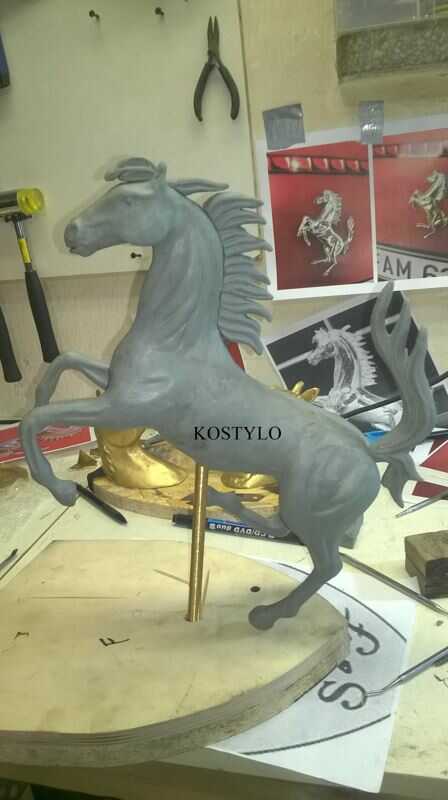
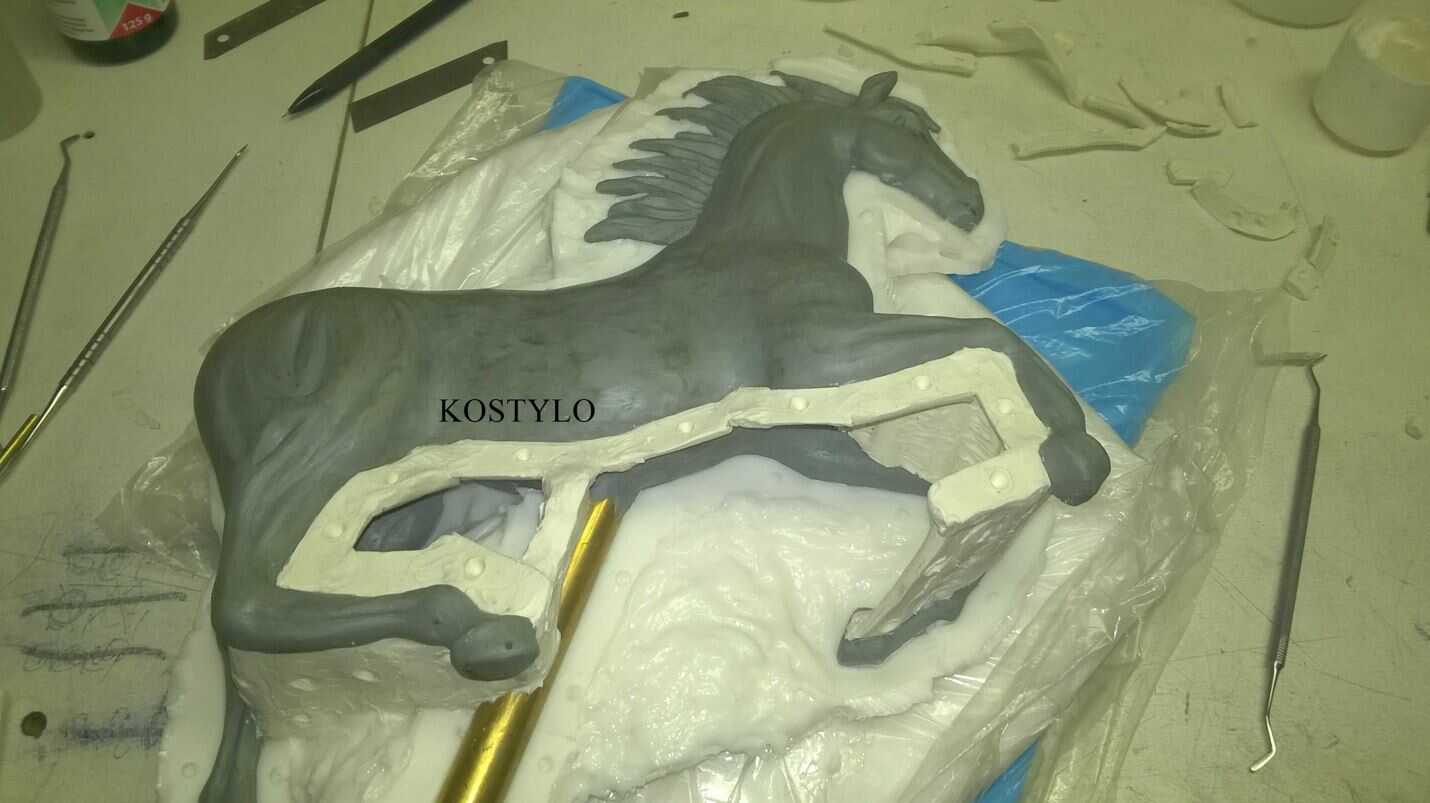
The approved clay model was used to produce a silicone mould, preserving the individual characteristics of the sculpted surface and the proportions established during modelling.
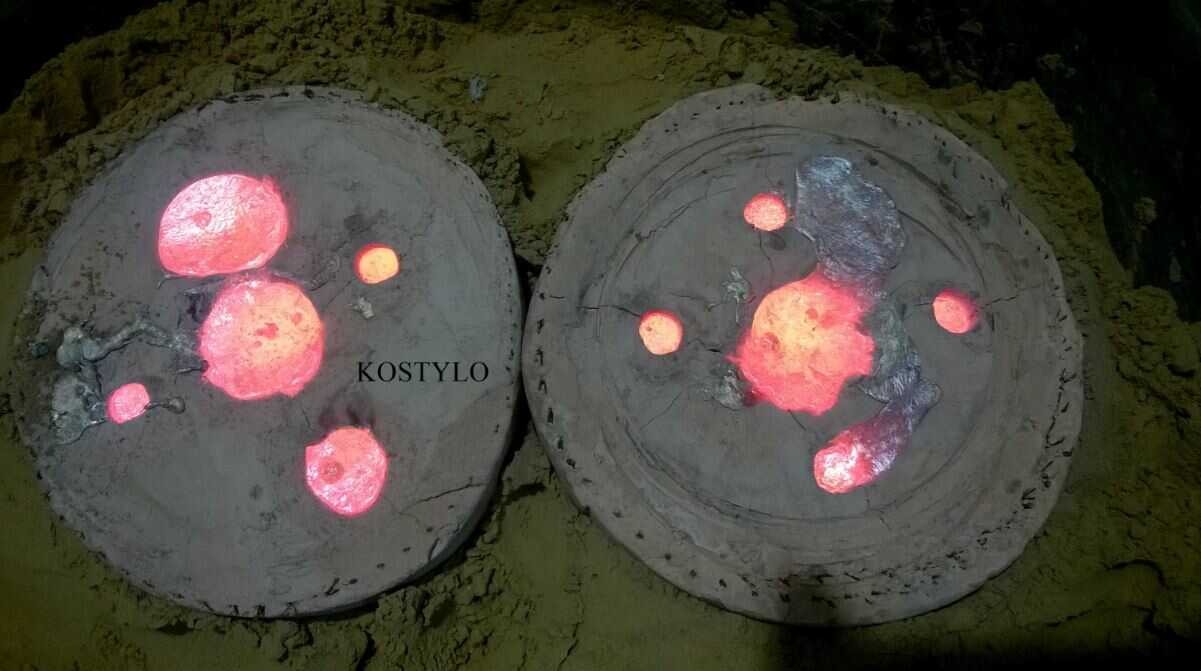
A wax reproduction formed the basis of the lost-wax casting process. This method allowed the figure to be translated into brass while retaining the sculptural detail of the original model.
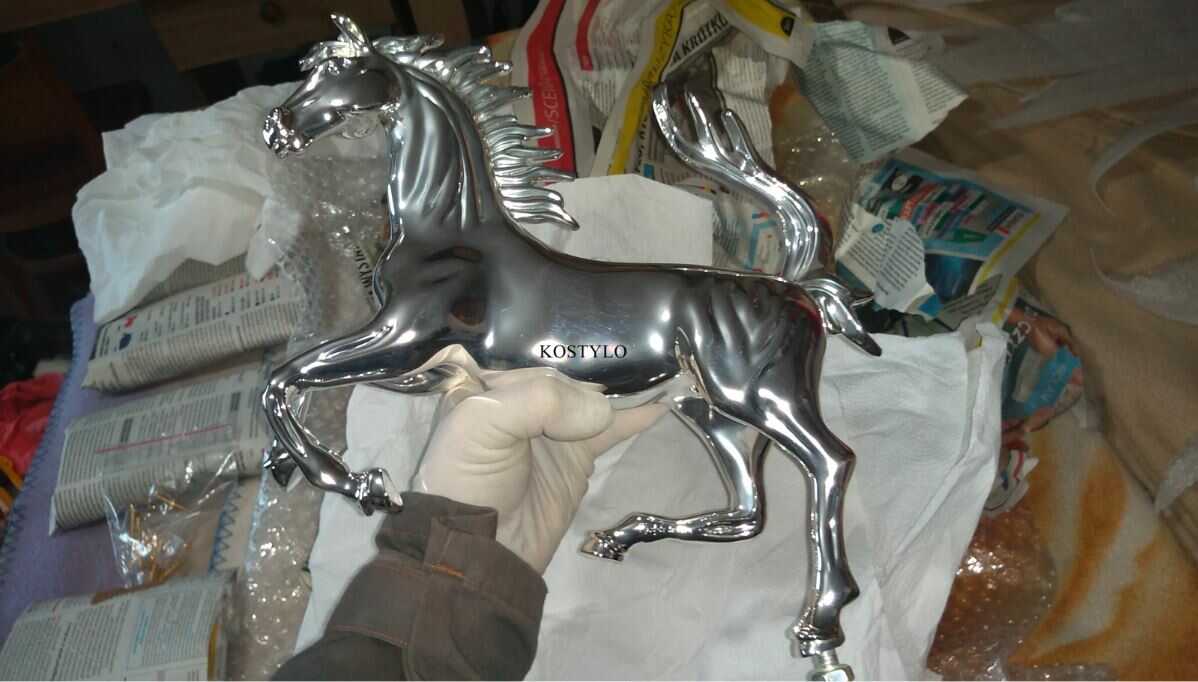
The horse was cast as a hollow metal form, reducing its weight without sacrificing the external modelling. After cooling and removal from the investment material, the casting was ready for manual refinement.
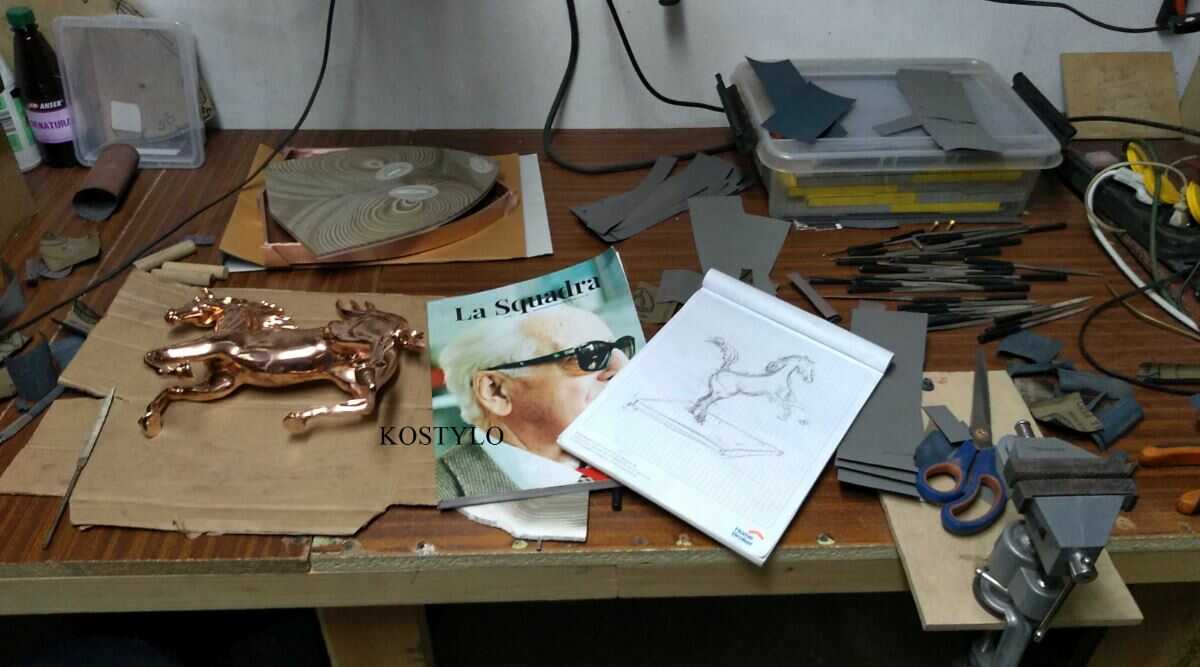
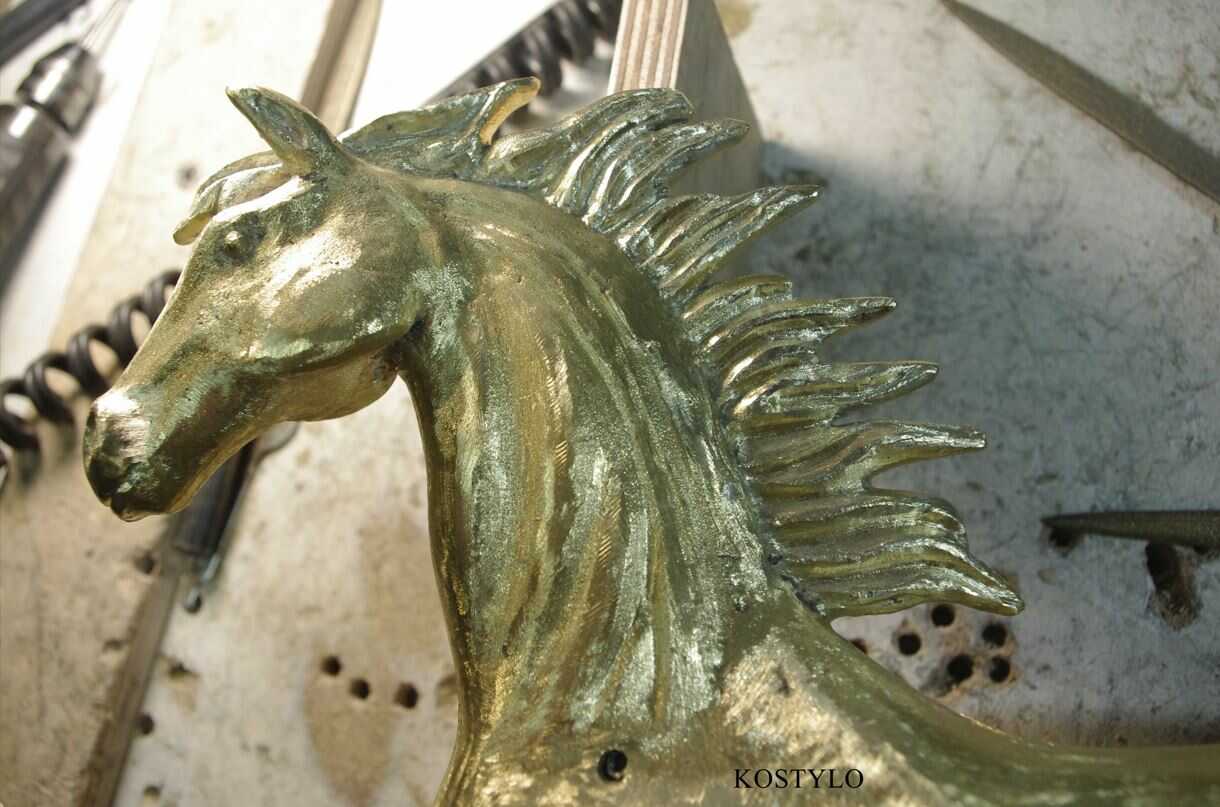
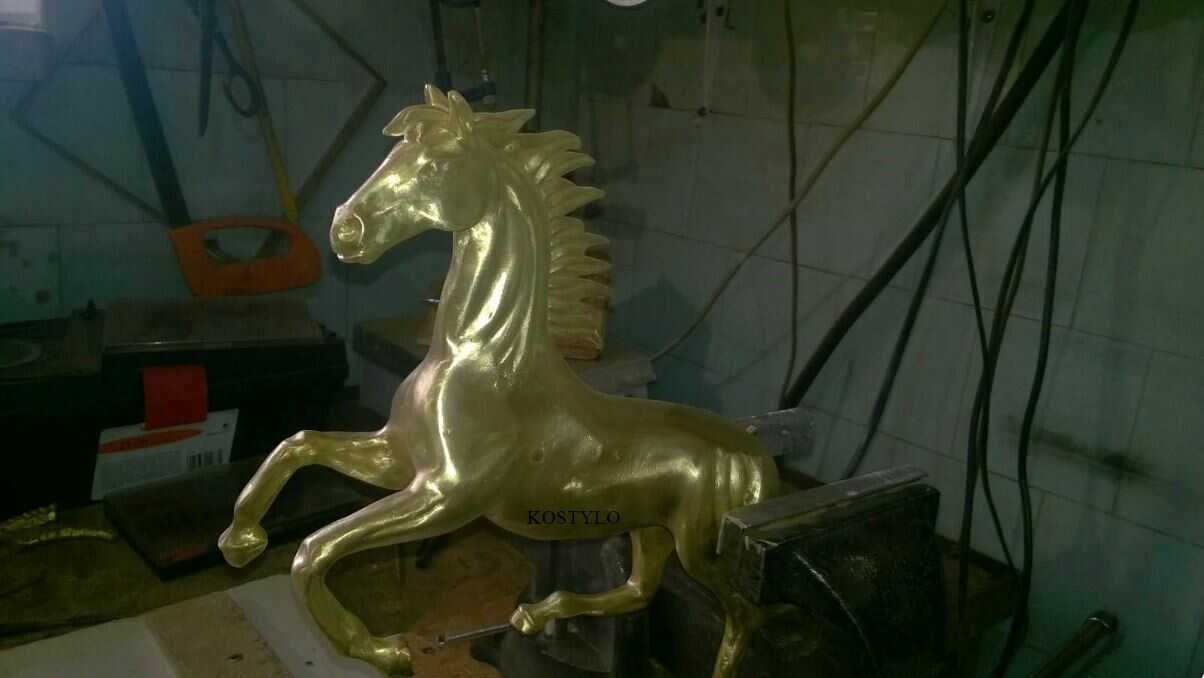
The brass casting required successive stages of manual grinding, filing and surface refinement. Remnants of the casting process were removed, while the transitions between the legs, body, neck and head were individually corrected.
Hand chasing restored definition to the modelled surfaces and established the finer distinctions within the anatomy of the figure.
Sanding and polishing then prepared the metal for the subsequent surface treatments. Throughout this stage, the objective was to preserve the movement and character established in the original sculptural model.
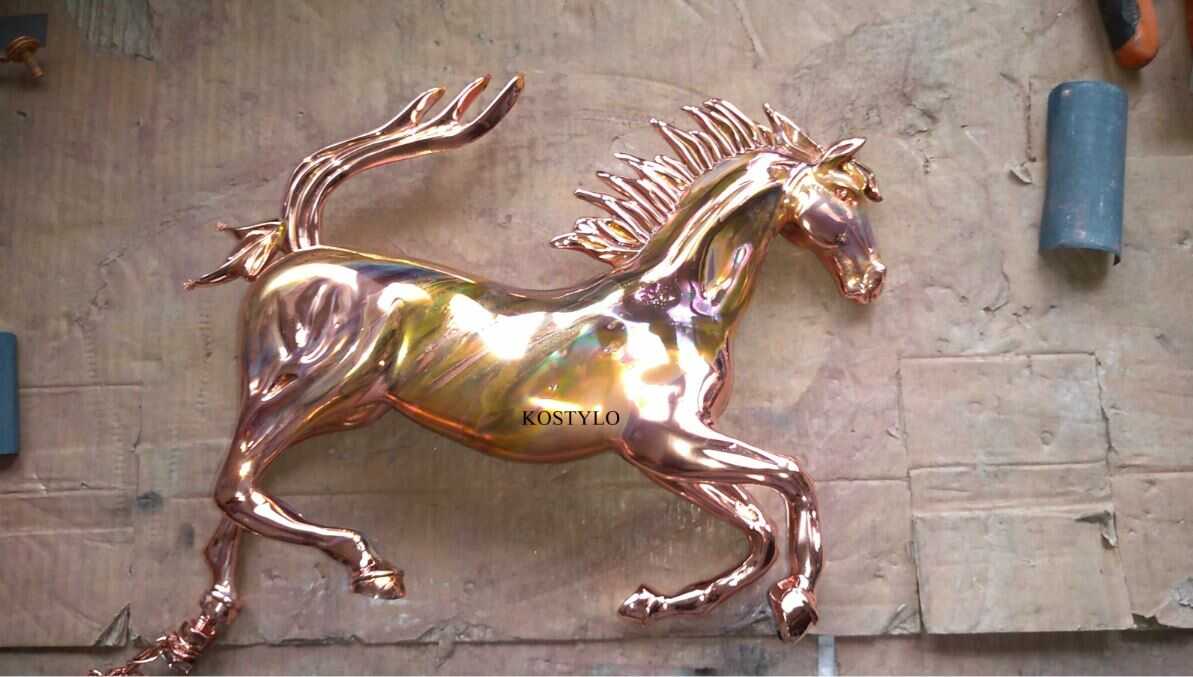
Following mechanical refinement, the brass figure was copper-plated to provide an intermediate layer for further surface correction.
Fine sanding and polishing addressed remaining irregularities before the application of the final silver-plated finish. The reflective surface emphasises the modelling of the horse, responding differently to the curved body, defined musculature and finer anatomical details.
The completed silver-plated figure was then prepared for integration with its individually constructed base.
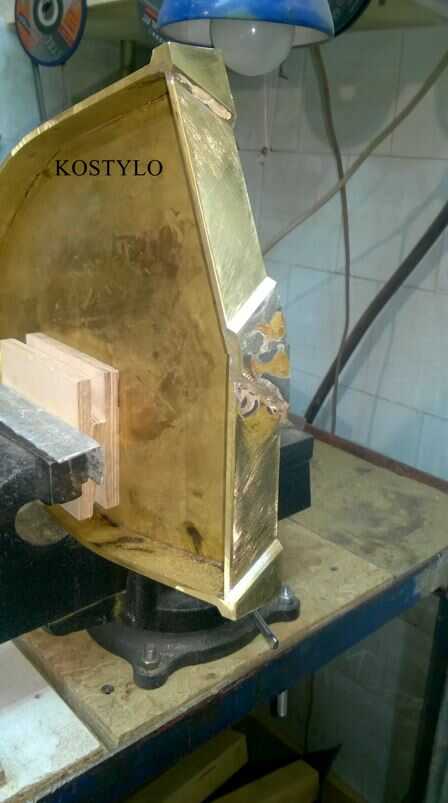
The base was developed as a separate architectural element of the sculpture. Its shield-shaped construction was assembled from formed brass components joined by silver soldering, followed by manual filing, grinding and surface refinement.
An individually selected piece of striped flint was incorporated into the composition. The natural banding of the stone introduces an irregular visual structure in contrast to the controlled geometry of the metal base and the movement of the horse.
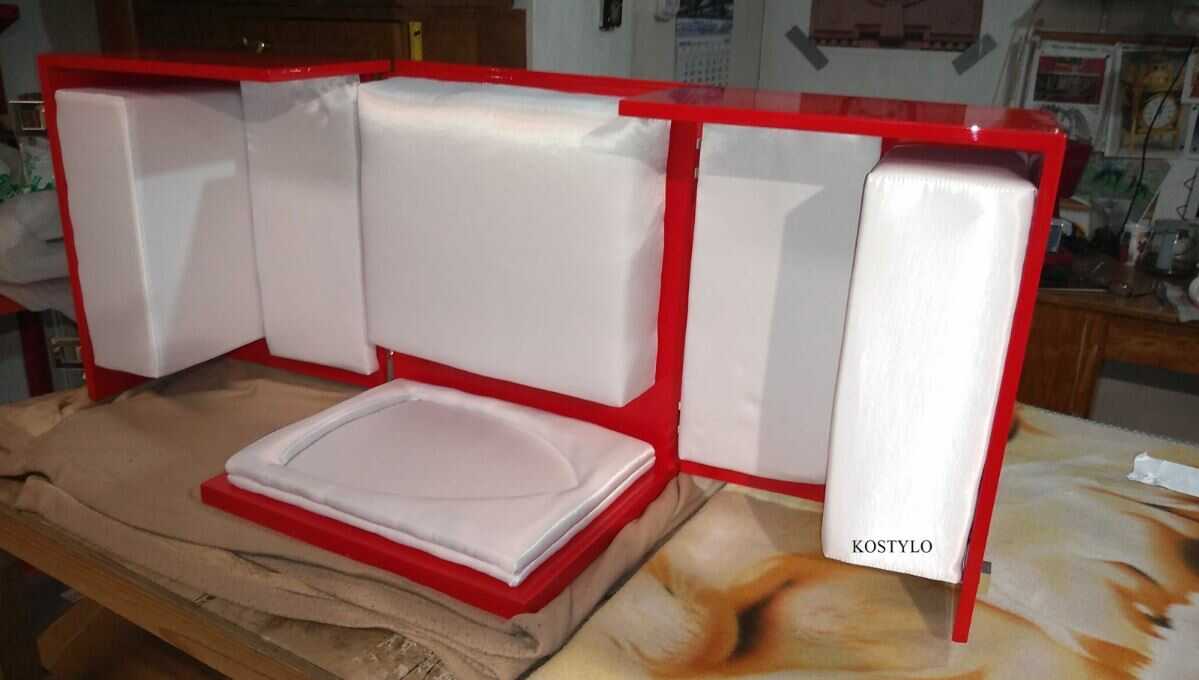
A separate presentation case was also constructed for the commissioned work. Finished in Ferrari red and lined with white satin, the case was designed to accommodate the completed sculpture and its base. Individually crafted silver-plated hinges and clasps completed the enclosure.
The completed Ferrari Horse brings together the silver-plated sculptural figure, the shield-shaped base and the distinctive natural pattern of striped flint.
The rearing posture establishes the principal movement of the composition, while the structured base provides a visual counterpoint to the organic form of the horse.
Each component was developed in relation to the others, from the initial modelling and metal casting to the final surface treatment and presentation.
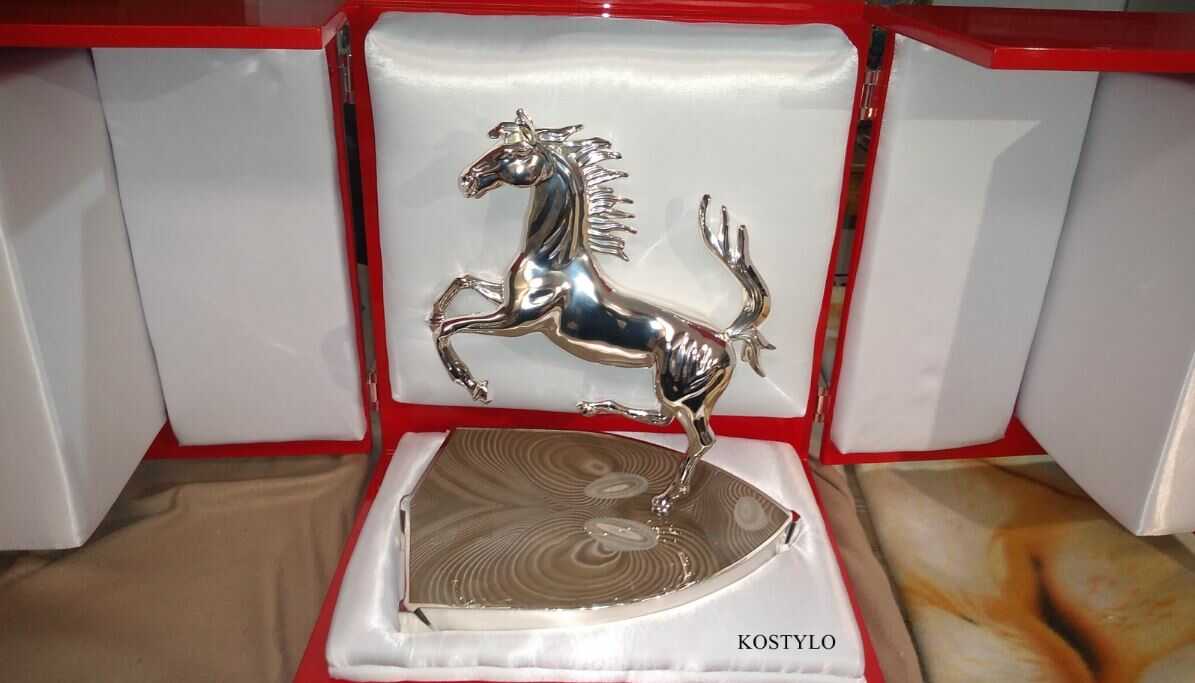
Ferrari Horse reflects the atelier’s approach to commissioned sculpture, where the modelling of an individual figure is considered together with its materials, supporting structure and final presentation.
The work combines traditional casting and goldsmithing techniques with a sculptural interpretation developed specifically for the commission.
Explore the completed Ferrari Horse sculpture in the Kostylo Atelier Portfolio.
Watch the completed Ferrari Horse sculpture in a short video on YouTube.